Classification by Material Composition
The type of steel alloy used determines the pipe's strength and corrosion resistance:
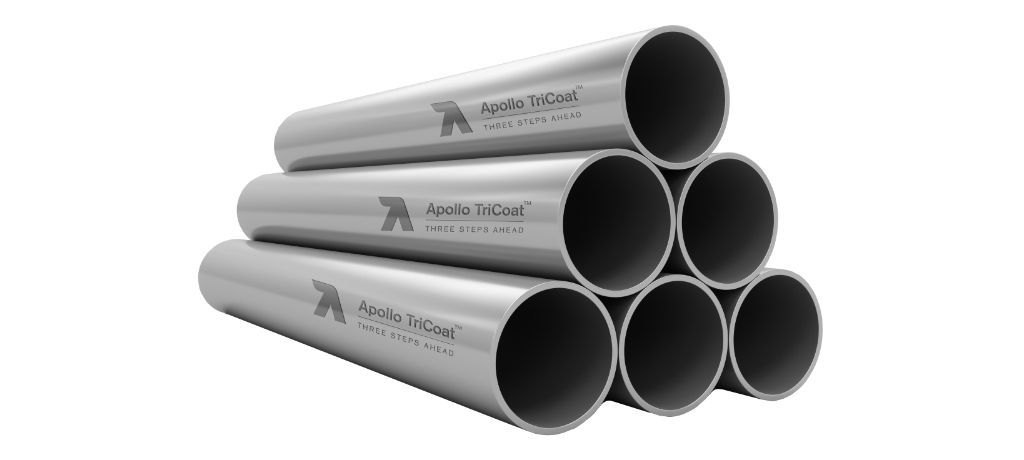
• Carbon Steel Pipes: The most common type, valued for its strength and durability.
o Low Carbon (Mild Steel/MS): Easy to weld; used for general engineering and irrigation.
o High Carbon: Harder and stronger, used in high-stress applications.
• Stainless Steel Pipes: Contain chromium (often grades 304 or 316) for superior corrosion resistance. Essential for the food, pharmaceutical, and chemical industries.
• Galvanized Pipes (GI): Carbon steel pipes coated with zinc to prevent rust, commonly used in outdoor water lines and plumbing.
Common MS Fittings
Fittings are used to change the direction of pipes, join different sizes, or terminate a line. Common types include:
• Elbows: Used to change the direction of flow, typically available in 45°, 90°, or 180° angles.
• Tees and Crosses: Used to split or combine flow in pipelines, connecting four pipes at a single junction in the case of crosses.
• Reducers: Connect pipes of different diameters. They can be concentric (tapered evenly) or eccentric (offset to one side).
• Couplings and Unions: Couplings join two pipes of the same diameter, while unions allow for easy disconnection of pipes for maintenance.
• Caps and Plugs: Used to close the end of a pipe or fitting opening.
• Flanges: Flat, round plates used to connect pipes to each other, valves, or pumps via bolts.
CONTACT FOR SERVICE